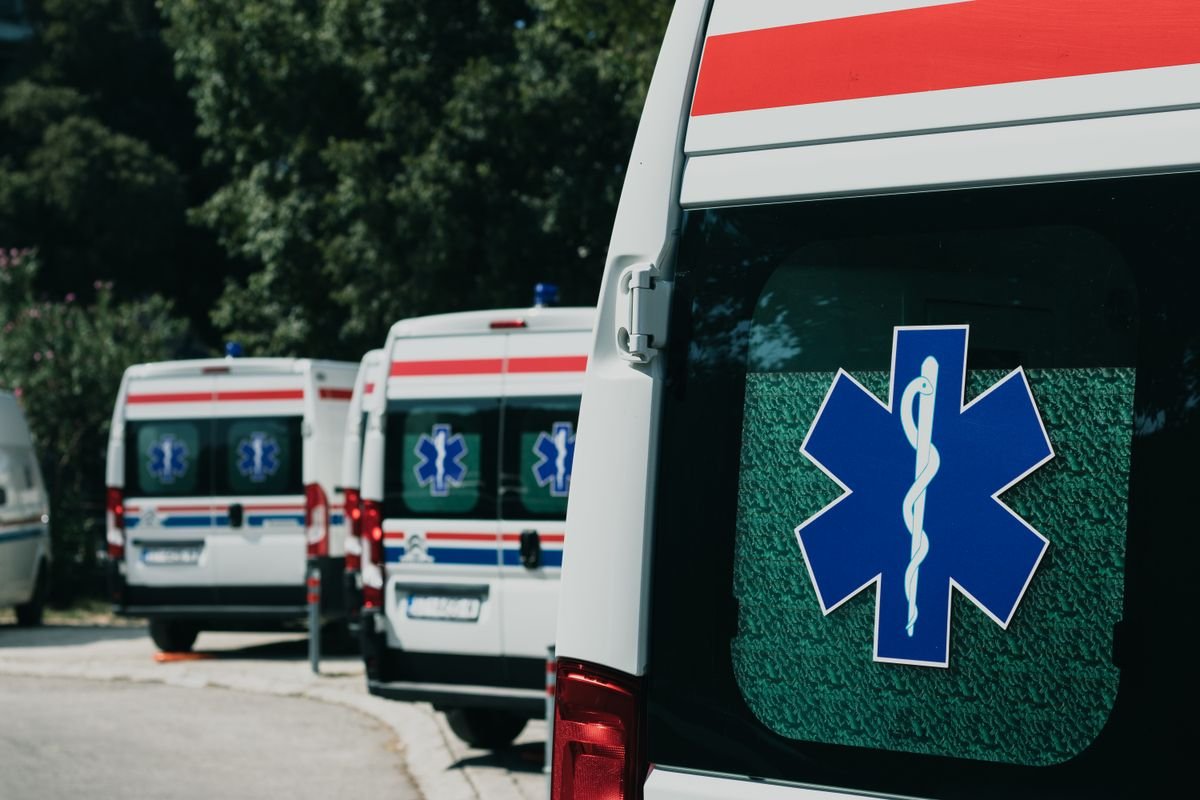
Most visits to Argentina pass without a single call to the authorities, but it pays to know the numbers before you need them. This page lists the national emergency lines, the Buenos Aires tourist services, how hospitals work for visitors, and the steps to take after a theft or accident. We checked the numbers below against the official Buenos Aires city tourism site and national government pages in October 2026, but save them offline and confirm locally if a line does not connect.
Argentina Emergency Numbers at a Glance
| Service | Number | Notes |
|---|---|---|
| General emergency (police or ambulance) | 911 | National line, 24 hours |
| Police | 101 | Direct line, 24 hours |
| Medical emergency (SAME) | 107 | Ambulance service, 24 hours |
| Fire service | 100 | Bomberos, 24 hours |
| Civil defence | 103 | Floods, building collapses, chemical spills |
| Domestic and gender-based violence | 144 | Free, 24 hours |
| Child protection | 102 | 24 hours |
| People trafficking | 145 | 24 hours |
If you are unsure which service you need, dial 911 and say “emergencia” followed by your location. Operators answer in Spanish, so a short written address in Spanish (street, number, neighbourhood or city) saves precious seconds. Our basic Spanish phrases guide covers words like “ayuda”, “ambulancia” and “robo”.
Coverage is uneven in rural Patagonia, the Andes and the far north. Mobile signal disappears on many trekking routes, so carry a paper copy of your insurer’s assistance number and tell your accommodation your route before you set out.
Tourist Police and Visitor Help in Buenos Aires
Buenos Aires runs a dedicated Tourist Police office, the Comisaria del Turista, at Av. Corrientes 436 in the centre. The city lists the phone as +54 9 11 5050 3293 or 9260, with interpretation in English, Portuguese, French, Italian and Japanese. It is the best first stop for reporting a theft, getting a police report you can use for insurance, and finding out what to do next.
The city also operates the Defensoria del Turista, a complaints and assistance service at the Quinquela Martin museum, Av. Pedro de Mendoza 1835 in La Boca, open 10:00 to 18:00 daily, phone +54 11 4302-7816. It helps with disputes over taxis, hotels and tour operators rather than crimes. Tourist assistance centres also operate in Recoleta and Puerto Madero.
Other provinces do not have an equivalent English-speaking line. In Mendoza, Bariloche, Salta and El Calafate, go to the municipal tourist office for help finding the right police station or clinic, and call 911 only for genuine emergencies.
Hospitals and Medical Advice
Argentina has a three-tier system: free public hospitals, private clinics, and union-run health plans (obras sociales). For visitors, the first two matter.
- Public hospitals are open 24 hours and treat emergencies free of charge, according to the Buenos Aires city tourism site. Expect crowded waiting rooms, limited English and basic comfort. They are the right choice for a life-threatening situation when you cannot wait.
- Private clinics in Buenos Aires, Mendoza, Cordoba and the main Patagonian towns are cleaner, faster and more likely to have English-speaking staff. They usually ask for a deposit or card guarantee, and charge the full bill, which can run to hundreds or thousands of US dollars for surgery or a night’s stay.
- Pharmacies (farmacias) are everywhere and many sell common medicines without a prescription. Look for a green cross, and note that a rota of 24-hour pharmacies (farmacias de turno) operates in each city.
For altitude sickness around Salta, Jujuy and the Andean passes near Mendoza, descend and seek care at the first clinic. In Patagonia, rescue and evacuation from remote trails can cost far more than the hospital bill, which is why we always recommend travel insurance for Argentina with medical evacuation cover. Compare options through our insurance partner before you fly, and keep the policy number, the insurer’s 24-hour assistance line and your passport number in your phone and on paper.
What to Do After a Theft, Robbery or Accident
- Get safe first. Hand over a phone or wallet in a robbery rather than resist. Opportunistic theft is the main crime risk for visitors, and our Argentina safety guide explains the common scams.
- Call 911 if anyone is injured or the offender is still nearby.
- File a report (denuncia) at the nearest police station, or at the Tourist Police in Buenos Aires. Ask for a printed copy with a stamp and reference number.
- Block cards and phones with your bank and carrier immediately. Note your phone’s IMEI in advance.
- Notify your insurer within the time limit in your policy, usually 24 to 72 hours, and send the police report.
- Contact your embassy if a passport is lost or stolen, or if you are the victim of a serious crime. See our embassies and consulates guide for addresses and phone lines.
For road accidents, do not move vehicles if anyone is hurt, call 911, and wait for police before agreeing to anything with the other driver. Rental cars carry mandatory insurance, so call the rental company’s emergency number too.
Other Useful Contacts
- Gender-based violence helpline 144: free, confidential and answered 24 hours, with referral to legal and medical support.
- Your insurer’s assistance line: works from abroad and can arrange direct payment to a clinic. Call before treatment where possible.
- Your accommodation: hotel and hostel reception staff can call a doctor, taxi or the police, and often know the nearest clinic.
Quick Preparation Checklist
- Save 911, 107 and your embassy number in your phone before you land.
- Photograph your passport, entry stamp and insurance policy and store copies in email.
- Carry a card with your blood type, allergies and medication in Spanish.
- Keep some cash in a second location in case a wallet is stolen.
- Share your itinerary with someone back home when trekking or driving long distances.
Staying calm and having the right number ready solves most problems quickly. For general trip planning, start with our first-time Argentina guide.
The government publishes its own emergency services information, worth saving before you arrive.