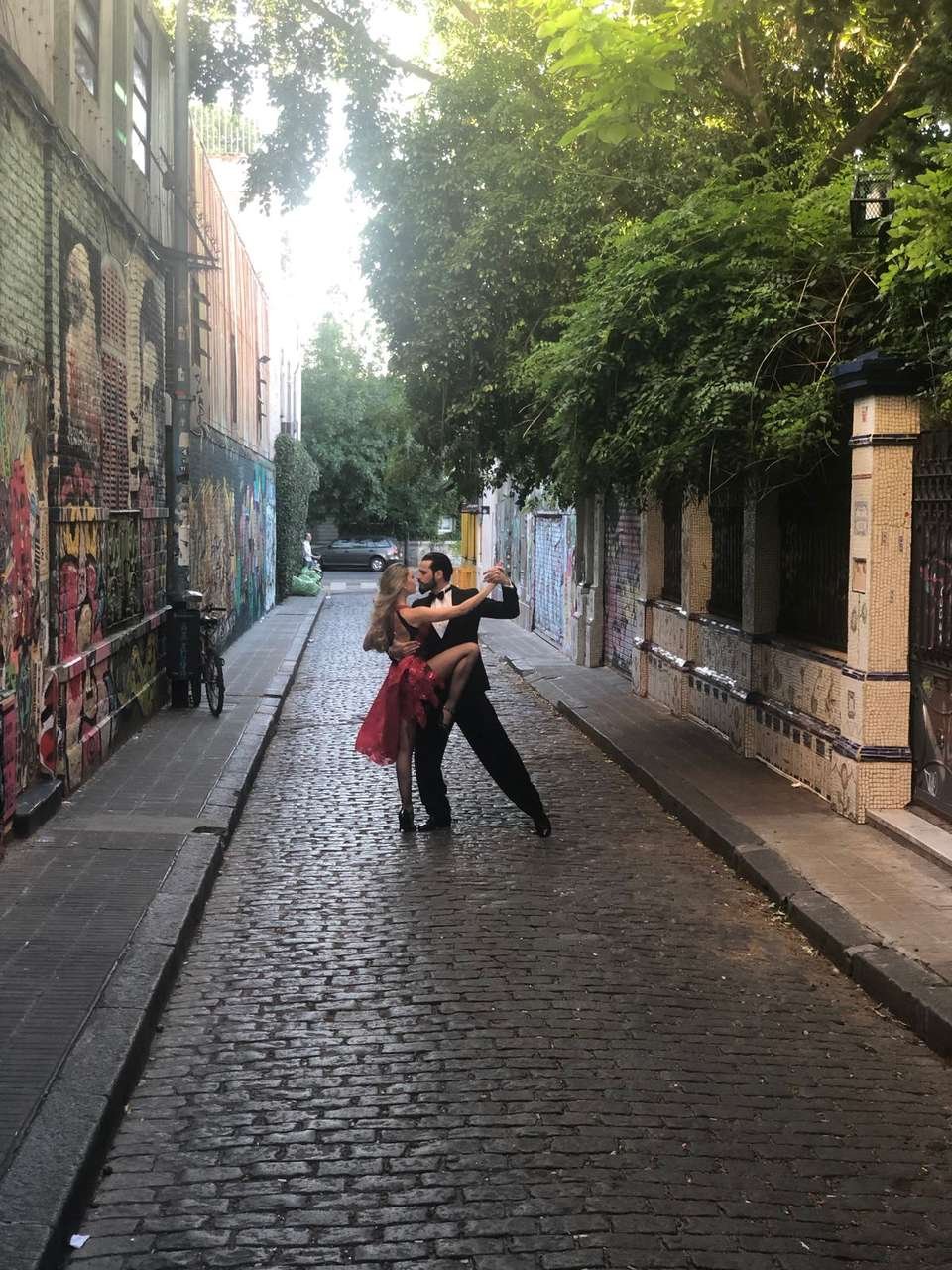
Argentina is one of the warmest and most socially expressive countries in South America, but warmth comes with its own unwritten rules. Greetings here carry real weight. Meals stretch long by design. Dress matters more than most visitors expect. Understanding a few cultural basics before you arrive keeps interactions smooth and opens doors that might otherwise stay closed.
Argentina etiquette at a glance:
| Detail | Quick answer |
|---|---|
| Greeting | Single-cheek kiss; greet each person individually and say goodbye to everyone |
| Tipping | 10% is normal in restaurants, 15% for particularly attentive service; leave cash in pesos |
| Dinner time | A parrilla dinner starts at 9pm at the earliest; families with children eat at 8pm |
| Home invitations | Arrive 15-30 minutes late and bring a good Malbec, a dessert or a small gift |
| Bargaining | Not part of retail culture; gentle negotiation on larger items only in Salta and northwest handicraft markets |
| Mate | Accept it, drink the whole gourd and say gracias only when you want no more |
Greetings and First Impressions
The single-cheek kiss is Argentina’s social handshake. It applies broadly: between women, between men and women, and increasingly between men in social (as opposed to business) settings. When you walk into a room, greet each person individually. A general wave at a dinner table would read as cold or dismissive.
In a first meeting with someone you are about to do business with, a firm handshake is appropriate for men. After that initial contact, the cheek kiss becomes normal on subsequent encounters. Women can expect the kiss from the first meeting regardless of context.
The word hola opens most conversations, but Argentines often use buen dia (morning), buenas tardes (afternoon), or buenas noches (evening) in shops, restaurants, and elevators. Skipping the greeting and going straight to a request is considered abrupt. Say hello first.
When you leave a social gathering, say goodbye to every person present. Slipping out without individual farewells — the so-called Irish exit — is genuinely noticed and read as disrespectful.
Dress Codes
Argentina is more appearance-conscious than most of its neighbours, particularly in Buenos Aires. The following distinctions matter:
Religious sites: The Basilica Nuestra Senora de Lujan (the country’s main Marian shrine, about 65 km west of Buenos Aires) and the Metropolitan Cathedral on Plaza de Mayo both require covered shoulders and knees for entry. Light scarves work well. Tank tops and shorts are not acceptable. The same applies to churches across the northwest, particularly in Cordoba and Salta where Catholicism is deeply woven into community identity.
Restaurants: Upmarket parrillas like Don Julio in Buenos Aires’s Palermo neighbourhood, or Clos de Chacras at a Mendoza winery, have no formal dress code but a strong unspoken expectation: collared shirts for men, smart-casual for women. Arriving in beach clothing or athletic gear will get you seated but watched. Mid-range restaurants are relaxed. Sidewalk empanada spots are come-as-you-are.
Beaches: The Atlantic beaches at Mar del Plata, Punta del Este (Uruguay, though popular with Argentine tourists), and the Entre Rios thermal resorts are standard beach environments. Toplessness is uncommon at public beaches and would draw attention; it is more accepted at remote Patagonian river beaches. Cover up when moving between the beach and the town — Argentines change out of swimwear before walking into shops or restaurants along the promenade.
Patagonia trekking: Weather-appropriate layering is a practical necessity, not a fashion choice. That said, Argentines in towns like El Calafate and Bariloche still dress reasonably smartly for dinner even after a long day on the trail. A clean layer on top of your base goes a long way.
Tipping Culture
Argentina has no mandatory service charge. Tipping is expected in most dining contexts but not universal.
- Restaurants: 10% is normal; 15% for particularly attentive service. Upmarket establishments in Palermo or Recoleta often see 15% as standard. Leave cash in pesos directly on the table or hand it to your server — card tips are unreliable and do not always reach the staff.
- Parrillas and parillas: Same as restaurants. The asador (grill master) deserves a tip if you are at a private asado; 200—500 pesos per person is customary.
- Taxis and remises: Round up to the nearest 100 pesos, or round up generously if the driver helped with luggage. Apps like Cabify or InDriver show a digital tip option; it is optional but used.
- Delivery: Around 10% or whatever feels appropriate. Delivery drivers are often working independently on bicycles.
- Hotel porters and housekeeping: 200—500 pesos per bag or per night of stay.
- Tour guides: For a full-day city tour or trekking guide in Los Glaciares National Park, USD 5—10 per person is a reasonable benchmark. Many guides rely heavily on tips.
- When not to tip: Street food vendors, kiosks, empanada takeaways, and self-service cafes do not expect tips.
Dining Etiquette
Meals in Argentina are social events, not refuelling stops (our Argentine cuisine guide covers what to order, and our tipping guide explains what to leave). A parrilla dinner at a Buenos Aires restaurant begins at 9pm at the earliest; families with children eat at 8pm. Restaurants in tourist areas may open from 7pm, but turning up before 8:30pm puts you firmly in the tourist bracket.
At an asado (the traditional barbecue), the host controls the grill and the pace. Do not offer to help unless specifically asked. The sequence is fixed: chorizo and morcilla (blood sausage) arrive first as appetisers; the main cuts follow. Eat what is put in front of you — refusing specific cuts at a private asado is awkward unless you have a clear dietary reason. If you would rather learn the ritual first, a Buenos Aires food tour pairs the asado basics with a local guide, and our Buenos Aires things to do page lists more. A few phrases from our basic Spanish guide go a long way at the table.
Bread is placed on the table and eaten throughout. Salads are shared. It is normal to share a bottle of Malbec between two people and ask for a second without it meaning anything beyond enjoying the meal.
The bill does not arrive until you ask for it. Saying la cuenta, por favor signals you are ready to leave. Splitting the bill evenly among the table (dividido entre todos) is the default at group dinners.
Mate (the infused herbal drink) deserves its own rules. If someone offers you their mate gourd, accept it — refusing is mildly rude. You drink the whole gourd, return it to the host without saying thank you (saying gracias means you do not want any more), and they refill and pass to the next person. Do not stir or move the bombilla (metal straw) — just drink.
Behaviour in Homes
Being invited to someone’s home for an asado is a genuine mark of trust. Arrive 15—30 minutes late; punctuality reads as overeager. Bring a good bottle of Malbec, a dessert, or a small gift for any children. Do not arrive empty-handed.
Take your shoes off if you see shoes lined up at the door, though this is less universal than in some other cultures. Follow the host’s lead.
Compliment the food directly to the cook — in Argentina, the host often prepares everything personally and takes visible pride in it. Offer to help clear after the meal; most hosts will decline but the gesture matters.
Social Customs and Unwritten Rules
Bargaining: Bargaining is not part of Argentine retail culture. Fixed prices are the norm in shops, restaurants, and markets in Buenos Aires, Mendoza, and the Patagonian towns. In the handicraft markets of Salta and the northwest — particularly the Mercado Artesanal in Salta city — gentle negotiation on larger items is acceptable, but aggressive haggling is not how it works here.
Queuing: Argentines queue patiently in banks and government offices (often for a very long time) but less so in casual settings. At bus stops and informal markets, a gentle yo estaba aqui primero (I was here first) is how disputes are settled without confrontation.
Holidays: Shops, banks and many restaurants close on national holidays and bridge days, so check our Argentina public holidays calendar before you plan a travel day.
Punctuality: Meetings and business appointments happen on time. Social gatherings do not. Dinner invitations for 8pm mean 8:30pm; a house party for 10pm means 11pm. If you are invited to something and are unsure, ask your host directly.
Personal space and touch: Argentines stand closer in conversation than Northern Europeans or North Americans are used to. Do not step back instinctively — it reads as cold. Light touching on the arm or shoulder during conversation is completely normal.
Politics and economics: These topics come up constantly and Argentines discuss them loudly and with passion. Foreign visitors who remain curious and listen well are welcomed into the conversation. Offering strong unsolicited opinions on Argentine economic policy or Peronism within the first hour of meeting someone is less welcome.
Photography Rules
La Boca’s Caminito: The tango dancers and costumed figures in La Boca pose for photos professionally — they expect a small tip (200—500 pesos) for the photograph. Do not photograph them and walk away; this is their livelihood.
Indigenous communities in the northwest: The Quebrada de Humahuaca region near Jujuy and the Puna villages host Quechua and Aymara communities. Ask before photographing people, especially elders, women, and religious ceremonies. Many communities have specific restrictions around photos at festivals.
Military and government buildings: Do not photograph military installations, police checkpoints, or government security posts. This is true throughout Argentina and particularly near the border crossings at Paso Los Libertadores (to Chile) and at Iguazu.
Glaciers and national parks: No restrictions on photography. Drone use in Los Glaciares National Park requires a permit from the Administracion de Parques Nacionales.
Religious and Cultural Sensitivities
Argentina is around 70% Catholic by self-identification, though regular church attendance is lower. The country legalised same-sex marriage in 2010 and has one of the more progressive social attitudes in South America. That said, regional differences are significant: Buenos Aires is broadly secular and cosmopolitan; the northwest provinces of Jujuy, Salta, and Tucuman are more conservative and deeply Catholic.
During Semana Santa (Holy Week before Easter), many businesses in smaller towns close and the pace of life shifts significantly. Trekking in Patagonia continues unaffected.
The centenary of the Malvinas/Falklands War anniversary and national days like May 25 (the May Revolution) and July 9 (Independence Day) generate strong national feeling. Be respectful; these dates carry genuine weight, not just flag-waving.
Mate is a point of national identity. Commenting negatively on its taste after accepting it from a host would cause real offence. Decline politely if you do not want it; accept it and drink it if you do.