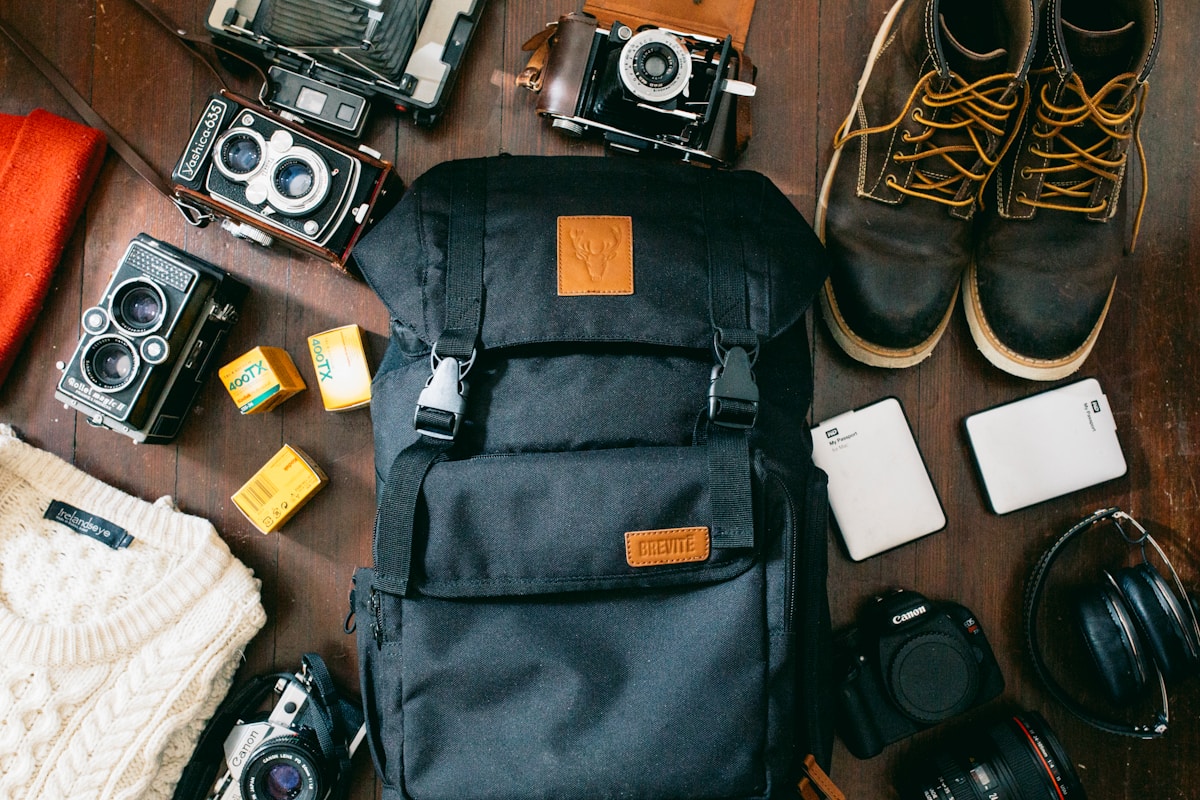
Argentina covers a huge range of climates - subtropical at Iguazú, high desert in the northwest, temperate and urban in Buenos Aires, and subarctic-adjacent in Patagonia. If your trip covers multiple regions, packing strategically matters.
The Core List (Any Season, Any Region)
Documents and money:
- Passport (valid for at least 6 months beyond travel dates)
- USD cash in clean, undamaged notes (essential for informal exchange rate)
- Travel insurance details and emergency contacts - comprehensive travel insurance for Argentina is strongly recommended, especially for Patagonia
- Copies of key documents stored separately from originals
- Debit card for ATM backup (low withdrawal limits - a known frustration)
- Credit card (Visa/Mastercard widely accepted in cities)
Electronics:
- Type I plug adapter (Argentina’s plug type - three diagonal flat prongs)
- Universal travel adapter if visiting multiple South American countries
- Portable power bank (useful for long bus journeys)
- Phone with offline maps downloaded (Maps.me or Google Maps offline) - an Argentina travel eSIM avoids the need to find a local SIM on arrival and gives data from the moment you land
Health and pharmacy:
- Sunscreen (high SPF - UV levels are intense at altitude and in Patagonia’s clear air)
- Insect repellent (DEET-based for mosquito areas; Iguazú and the northeast)
- Altitude sickness tablets if visiting the Andean northwest above 3,000m (consult a doctor)
- Basic first aid kit - blister treatment is especially useful for trekking
- Prescription medications with sufficient supply plus a note from your doctor
Buenos Aires Specific
Buenos Aires is a modern city and you can buy almost anything locally. Pack for the season you’re visiting:
Summer (December–February): Lightweight breathable clothing, sunglasses, a hat, light rain jacket (afternoon storms are common). Buenos Aires fashion trends toward smart-casual - bring one or two nicer outfits for evenings.
Winter (June–August): A proper coat is necessary - not just a fleece. Wool or down jacket, layers, waterproof shoes. The cold damp of a Buenos Aires winter is more pervasive than the thermometer suggests.
Spring/Autumn (Sept–Nov, March–May): Layers that work from cool mornings to warm afternoons. A light waterproof jacket covers both rain and wind.
Patagonia Packing: Non-Negotiable Items
Patagonia has its own packing logic. The wind is the defining challenge - gusts of 80–100km/h are possible any time of year.
Outer layers:
- Windproof and waterproof shell jacket (hardshell - not a soft shell)
- Windproof trousers (optional but useful on multi-day treks)
Mid-layers:
- Fleece or synthetic insulated jacket
- Down puffer (the wind makes it cold even in summer at elevation)
Base layers:
- Moisture-wicking merino wool base layers (2–3 sets for multi-day treks)
Footwear:
- Sturdy hiking boots with ankle support and waterproofing - essential for Patagonian trails
- Camp sandals or lightweight shoes for lodges and towns
Accessories:
- Warm hat that covers ears (a beanie, not a sun hat)
- Gloves (windproof)
- Sunglasses (the light at latitude 50°S is intense even in cool weather)
- Trekking poles (not essential, but significantly helpful on Patagonian descents)
- Dry bags or pack liners - rain comes sideways and gets into everything
Northwest Argentina (Salta, Jujuy, Atacama Region)
The northwest combines heat in the valleys with extreme cold at altitude. At 4,000m+, temperatures drop below freezing overnight even in summer.
- Warm layer for altitude (nights at Salinas Grandes, 3,450m, are cold year-round)
- Altitude sickness medication if arriving quickly from sea level
- UV protection is essential - the thin air at altitude provides less UV filtration
- Lightweight breathable clothes for valley cities (Salta, Jujuy)
- Waterproof layer for the wet season (December–March)
Iguazú Falls Region
The northeast is subtropical - hot and humid year-round with significant insect activity.
- Insect repellent (essential - mosquitoes are active)
- Lightweight long-sleeved shirts and trousers for evening insect protection
- Sun hat (shade in the national park is limited on the main catwalks)
- Waterproof bag or cover for electronics - the falls create significant spray
What You Don’t Need to Pack
Argentina has good pharmacies in all cities. Sunscreen, toiletries, and most over-the-counter medications are available without issue. You don’t need to overpack these items.
In Buenos Aires, clothing is available at reasonable prices - if you forget something, you can buy it. For Patagonia-specific gear (quality boots, hardshell jackets), buying locally is possible but quality outdoor shops are mainly in Bariloche and El Calafate, not Buenos Aires.
See also: First-time Argentina guide · Argentina budget guide · Patagonia trekking guide · Best time to visit Argentina · Argentina travel insurance
Plan Your Trip
✈️ Book your flights to Argentina 🛡️ Get travel insurance 📱 Stay connected with an eSIM 🚗 Rent a car