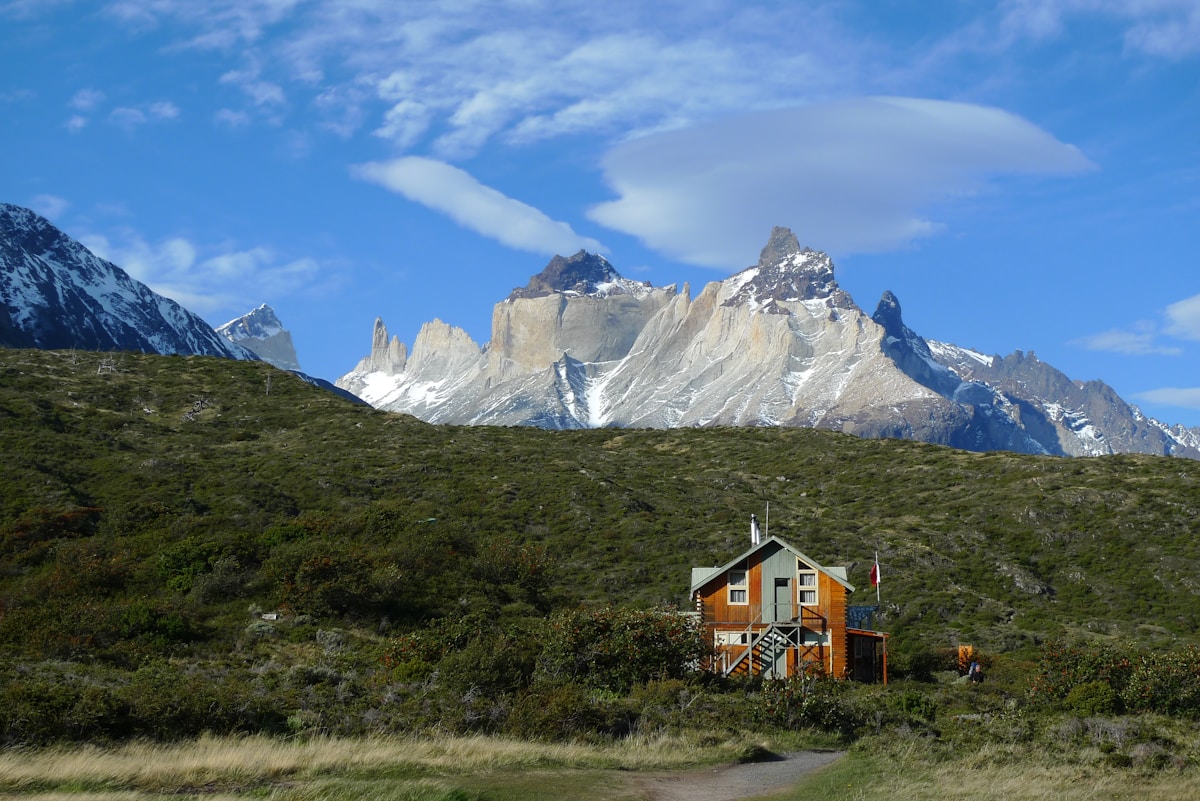
Argentina and Chile share the world’s longest international border and the Andes mountain range, but as travel destinations they feel remarkably different. Argentina is louder, cheaper, more culturally exuberant; Chile is more efficient, more expensive, and geographically extraordinary. Here’s how they compare honestly.
Quick Verdict
| Category | Argentina Wins | Chile Wins |
|---|---|---|
| Value for money | Yes | - |
| Buenos Aires city experience | Yes | - |
| Steak and wine (Malbec) | Yes | - |
| Tango and nightlife | Yes | - |
| Torres del Paine infrastructure | - | Yes |
| Carretera Austral drive | - | Yes |
| Santiago as a city | - | Yes (clean/safe) |
| White wine (Casablanca) | - | Yes |
| Perito Moreno Glacier access | Yes | - |
| El Chaltén hiking (free) | Yes | - |
Argentina wins for culture, food, Buenos Aires city life, and extraordinary value - particularly at the blue exchange rate. Chile wins for trekking infrastructure, geographic variety across its extreme north-south length, and Santiago as a modern, very liveable city.
Climate and Best Time to Visit
Patagonia governs the calendar for most travellers to both countries.
Patagonia (both countries): The trekking season runs November to March (Southern Hemisphere summer). This is when trails are passable, huts are open, and daylight extends to 11pm in December. Wind is fierce year-round in southern Patagonia, but summer gives the most reliable weather windows. January and February are peak season - book Torres del Paine refugios and campamentos months in advance.
Buenos Aires: Year-round, but March to May and September to November are ideal - temperatures between 15–25°C, no extreme heat or cold. January is hot (35°C+) and humid; porteños largely leave the city for the coast.
Santiago: Similar shoulder seasons (March–May, September–November). Summer ski season in the Andes resorts (Valle Nevado, Portillo) runs June to October, approximately 90 minutes from Santiago.
Northern Argentina (Jujuy, Salta, Atacama-adjacent): Year-round, but May to September is best - dry season for the altiplano landscapes and Quebrada de Humahuaca.
Cost Comparison
Argentina is, by a significant margin, the cheaper destination - but the economics require understanding.
| Expense | Argentina (blue rate) | Chile |
|---|---|---|
| Hostel dorm | USD 8–15 | USD 20–35 |
| Mid-range hotel | USD 40–80 | USD 80–150 |
| Parrilla (steak) dinner | USD 20–40 | USD 40–70 |
| Street empanada | USD 0.30–0.80 | USD 2–4 |
| Long-distance bus | USD 15–40 | USD 30–70 |
| Daily budget | USD 40–60 | USD 80–120 |
Argentina’s blue exchange rate is the critical factor. Argentina has maintained an official exchange rate and an informal “blue” market rate for years. Foreign visitors using international debit/credit cards via services like Western Union transfers or certain ATM networks can access the blue rate, which as of 2026 runs approximately 1.5–2x the official rate. At the blue rate, a USD 20 parrilla steak dinner becomes one of the world’s great food value experiences. Always verify the current rate before travel - it fluctuates.
Chile is priced more like a southern European country. Torres del Paine alone adds substantial costs: park entry runs approximately USD 60 per person as of 2026, refugio (hut) accommodation on the W Trek costs from USD 40–120 per night depending on season, and the nearest town (Puerto Natales) has limited budget accommodation.
Buenos Aires vs Santiago
Buenos Aires
Buenos Aires is one of South America’s great cities - often called “the Paris of South America” not just for its European-influenced architecture but for its café culture, literary tradition, and philosophical intensity. The city breathes at night. Restaurants don’t fill until 10pm; milonga (tango dance halls) peak after midnight.
Recoleta Cemetery is one of the world’s most extraordinary burial sites - elaborate marble mausoleums housing presidents, Nobel laureates, and Eva Perón, in a neighbourhood that looks like a small European city. Entry is free. MALBA (Museo de Arte Latinoamericano de Buenos Aires) is one of the best Latin American art collections anywhere; entry approximately ARS 6,000 (at the blue rate, around USD 5 as of 2026). San Telmo is the city’s bohemian antique market district; the Sunday Feria de San Pedro Telmo fills the entire street with vendors and street performers.
Tango is everywhere and is not a tourist performance - it’s a living social tradition. La Catedral (a warehouse milonga in Almagro) is one of the most authentic venues; entry approximately ARS 3,000 (as of 2026, blue rate).
Santiago
Santiago is cleaner, safer, and more orderly than Buenos Aires. Cerro San Cristóbal - a hill within the city topped by a white Virgin Mary statue - gives panoramic views over the capital and the snow-capped Andes as a backdrop. The telecabina (cable car) runs approximately CLP 4,500 return as of 2026.
Barrio Lastarria is Santiago’s arts and café district - the best place to experience the city’s growing specialty coffee scene. La Vega Central market is the real-Santiago alternative to the tourist markets - vast, chaotic, and excellent for fruit, vegetables, and cheap lunch.
Day trips from Santiago are among Chile’s best arguments: Maipo Valley wine tours (1 hour south, from approximately CLP 40,000 for a half-day tour as of 2026), Valparaíso (1.5 hours by bus, CLP 4,000), and ski resorts in the Andes all make Santiago a strong base.
Patagonia: The Shared Wonder
Patagonia is the reason most travellers come to the southern tip of South America, and both countries claim essential Patagonian experiences.
Chile: Torres del Paine
The W Trek in Torres del Paine National Park is one of the world’s great multi-day hikes - 5 days covering 80km across hanging glaciers, turquoise lakes, and beneath the granite Torres (towers). Park entry is approximately USD 60 per person (as of 2026). Refugio accommodation along the trek ranges from USD 40–120 per person per night depending on location and season; camping is cheaper at approximately USD 15–35 per tent spot.
The Carretera Austral - a 1,240km unpaved highway through Chilean Patagonia’s remote fjords, glaciers, and temperate rainforest - is one of the world’s great road trips. Driving it requires at least two weeks.
Argentina: Perito Moreno and El Chaltén
Perito Moreno Glacier near El Calafate is the most accessible major glacier on Earth. It extends 30km into Lake Argentino, and its constant movement (you can hear it cracking and watch car-sized chunks calving into the water) makes it uniquely dynamic. Park entry is approximately USD 25 (as of 2026 official rate; blue rate equivalent significantly lower).
El Chaltén is Argentina’s trekking capital - the trailhead village for Fitz Roy (Cerro Chaltén), the jagged granite peak that defines the Patagonian aesthetic. Critically, all trekking in the national park surrounding El Chaltén is free - no park fees, no booking required. The Laguna de los Tres trail (23km return, 7–8 hours) delivers the iconic Fitz Roy view. El Chaltén accommodation runs approximately USD 20–50 per person at a hostel, far cheaper than Torres del Paine equivalents.
Wine
Argentina: Volume and Malbec Dominance
Mendoza is Argentina’s wine capital, sitting in the Andes foothills at 750m elevation. Argentine Malbec - a grape that produces thin, tannic wine in its French homeland of Cahors - transforms in Mendoza’s high-altitude, low-humidity conditions into something silky, full-bodied, and approachable. Wine tours from Mendoza city start at approximately USD 50 for a half-day cycling tour visiting 3–4 bodegas; premium experiences run USD 100–200.
High Altitude Malbec from Luján de Cuyo (below 1,200m) and the Uco Valley (above 1,000m) represent Argentina’s quality ceiling - bottles that win international competitions. Even a basic restaurant Malbec in Buenos Aires runs approximately ARS 3,000–5,000 (at blue rate, USD 3–5) for a decent glass.
Chile: Diversity and Whites
Chile’s Casablanca Valley (between Santiago and Valparaíso) produces Chile’s best white wines - cool-climate Sauvignon Blanc and Chardonnay that rival New Zealand equivalents. Maipo Valley (south of Santiago) is the heartland of Chilean Carménère - a red grape thought extinct in Europe that thrived in Chile, now the country’s signature variety.
Chilean wine is excellent and the country’s production is increasingly export-focused. But the volume, romance, and cultural centrality of wine in Argentina - Malbec is the national drink - give Argentina the emotional win.
Food
Argentina is one of the world’s premier beef destinations. The asado (barbecue) and parrilla (grill restaurant) culture centres on prime cuts: bife de chorizo (sirloin), ojo de bife (ribeye), vacío (flank) - all from grass-fed Pampas cattle that produce notably leaner, more flavourful beef than grain-fed equivalents. A serious parrilla dinner for two with a bottle of Malbec at a top Buenos Aires restaurant (Don Julio, La Brigada, El Preferido) costs approximately ARS 40,000–80,000 (at blue rate, roughly USD 40–80 as of 2026).
Empanadas - baked or fried pastry parcels stuffed with beef, cheese, or corn - are Argentina’s definitive street food. In Salta and the northwest, they’re particularly good. Dulce de leche (caramelised milk spread) is on everything.
Chile’s food scene is respectable but less distinctive. Seafood is excellent on the coast - centolla (king crab) in Patagonia is outstanding. Completo (Chilean hot dog loaded with avocado, tomato, and mayonnaise) is the street food staple. But the overall culinary tradition lacks Argentina’s depth.
Getting There and Around
Both countries are easily reached with direct flights from North America, Europe, and Australia. Buenos Aires Ezeiza (EZE) and Santiago (SCL) are South America’s two major international hubs. Flying directly between the two costs approximately USD 80–150 (1.5 hours) - frequent services from LATAM, Aerolíneas Argentinas, and Sky Airline.
Within Argentina, long-distance buses are the backbone of the network - comfortable, cheap, and covering the entire country. Buenos Aires to Mendoza by overnight bus is approximately 12–14 hours for USD 15–30 (at blue rate). Internal flights (Buenos Aires to El Calafate, approximately 3 hours) are available but more expensive; Aerolíneas Argentinas has the most coverage.
Within Chile, LATAM’s domestic network is extensive. Santiago to Puerto Natales (Patagonia) flies via Punta Arenas (approximately 3 hours; from CLP 80,000–200,000 depending on booking window as of 2026). The Patagonia bus network from Puerto Natales to Torres del Paine runs multiple times daily in peak season.
Who Should Choose Each?
Choose Argentina if you:
- Want Buenos Aires city life (tango, steak, nightlife, architecture)
- Are budget-conscious and can use blue-rate exchange
- Plan to hike Fitz Roy from El Chaltén without park fees
- Want the best Malbec wine experience in its home region (Mendoza)
- Are interested in the northwest (Salta, Jujuy, Quebrada de Humahuaca)
Choose Chile if you:
- Want Torres del Paine’s trekking infrastructure and iconic tower views
- Plan to drive the Carretera Austral
- Prefer a cleaner, more ordered travel experience
- Want a day-trip wine region close to a major city (Maipo/Casablanca from Santiago)
- Are combining with Bolivia (San Pedro de Atacama) or Peru
Final Verdict
These are two of South America’s finest destinations and they reward being visited together. Forced to choose: Argentina offers more for most travellers - the cultural richness of Buenos Aires alone justifies the flight, the value at blue-rate exchange is extraordinary, and free hiking in El Chaltén is one of travel’s great unexpected gifts.
But Chile’s Torres del Paine is the single most spectacular trekking experience in South America, and no trip to the region is complete without standing beneath those granite towers.
The classic Patagonia circuit crosses both borders deliberately. Plan for at least three weeks if you want the full picture. For the Argentine side, guided tours across Argentina cover glacier excursions from El Calafate, Buenos Aires city experiences, and Mendoza wine tours - a practical way to book the high-demand activities on both sides of the comparison.
Plan Your Trip
✈️ Book your flights to Argentina 🛡️ Get travel insurance 📱 Stay connected with an eSIM 🚗 Rent a car