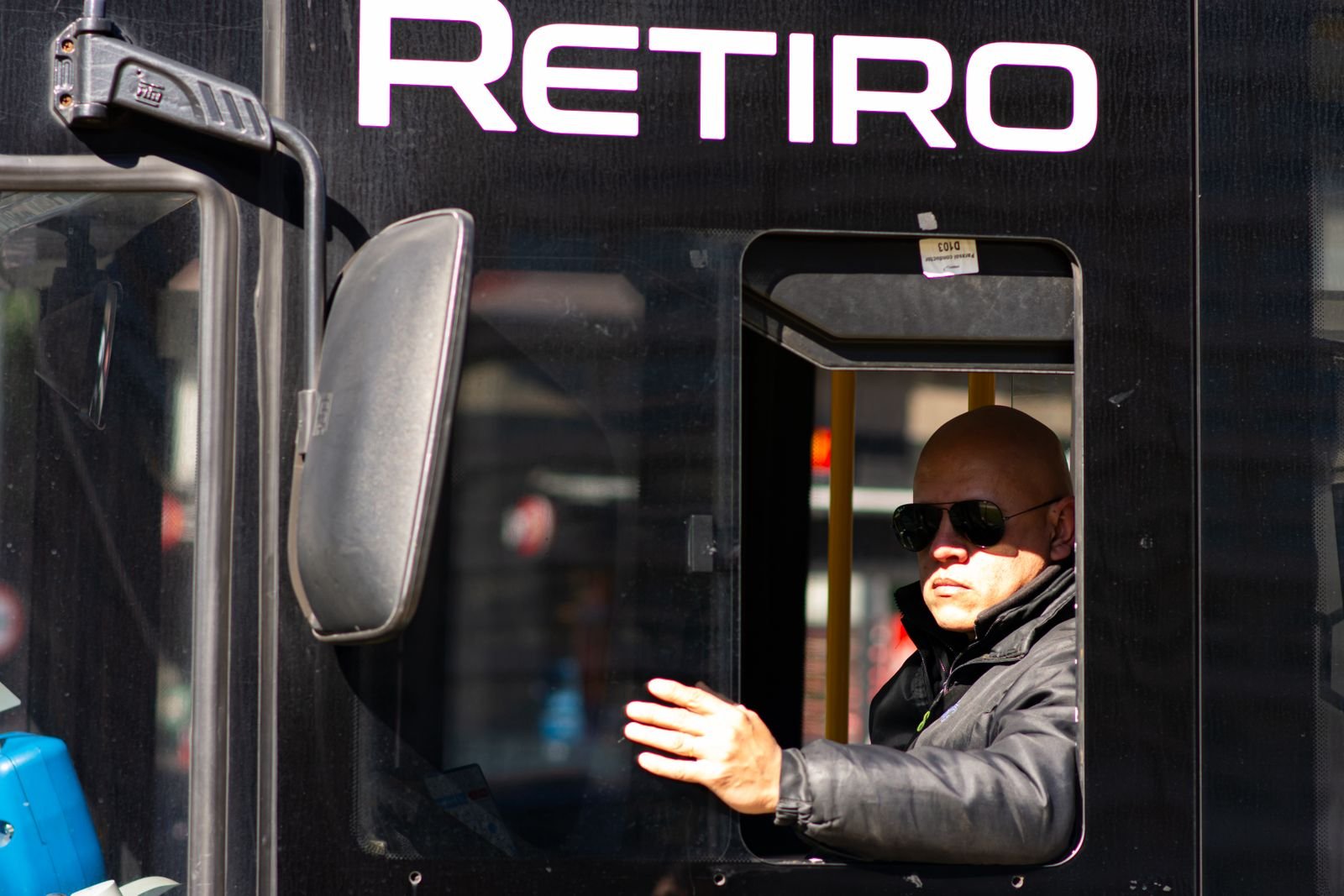
Long-distance buses (called micros or colectivos de larga distancia) carry most Argentines between cities, and they are the cheapest way to cover a country roughly the size of India. The network is dense, services are frequent on trunk routes, and the top seat classes are closer to a business-class recliner than a typical bus. This guide covers seat classes, the main terminals, sample routes with approximate 2026 fares, and how to book. For a comparison with flying and car hire, see our getting around Argentina guide.
Cama vs Semi-Cama: Seat Classes Explained
Operators use slightly different names, but the tiers are broadly consistent. Check the class on your ticket, because the same company often runs several on one route.
| Class | Recline | Typical extras | Best for |
|---|---|---|---|
| Común / servicio estándar | Slight | Reclining seat, basic service | Short daytime hops, tight budgets |
| Semi-cama | About 140-150 degrees | Leg rest, snack or drink on some services | Journeys up to about 8 hours |
| Cama | About 160-180 degrees | Wide seat, meal, blanket, sometimes wine | Overnight trips of 10 hours or more |
| Cama ejecutivo / suite | Near flat | Widest seat, most privacy, hostess service | Longest routes, comfort splurge |
Cama costs noticeably more than semi-cama, and on a 14-hour overnight to Mendoza most travellers find it worth it. Our rule of thumb: semi-cama by day, cama by night. Single travellers booking late should avoid the front row of the lower deck if they dislike noise, and take lower-deck seats if they want a view. Buses are heavily air-conditioned, so carry a layer even in summer.
Bus Terminals: Retiro and Dellepiane
Retiro (Terminal de Omnibus de Retiro, Av. Antartida Argentina 1355) is the main long-distance terminal in Buenos Aires, with roughly 70 platforms (andenes) across three levels, ticket counters on the main concourse and departure boards for every province. It sits beside Retiro train station and the Subte line C, which makes it easy to reach from the centre. Arrive 45 to 60 minutes before departure the first time, because finding your platform can take a while. Keep your bag with you in the waiting areas and use the left-luggage office if you have a gap before a night bus. Our Buenos Aires transport guide covers getting to Retiro by Subte and taxi.
Dellepiane (Terminal Dellepiane, Av. Perito Moreno in Villa Soldati) was built to relieve Retiro, but operators have used it only lightly and most services still leave from Retiro. A handful of routes and companies are listed there by ticket sites, so always confirm the departure terminal printed on your ticket before leaving. If you are connecting from Ezeiza or Aeroparque, our Buenos Aires airport transfers guide shows the easiest way to get across town.
Sample Routes, Durations and Fares (Approximate, 2026)
Fares move constantly with inflation and the exchange rate, so treat these USD ranges as a planning guide, not a quote. Figures are drawn from ticket-site listings for Retiro departures as of 2026, and cover semi-cama through cama.
| Route (from Retiro) | Duration | Approx. fare one way (USD) |
|---|---|---|
| Buenos Aires to Rosario | 3.5-4 hrs | 10-20 |
| Buenos Aires to Cordoba | 9-10 hrs | 25-50 |
| Buenos Aires to Mendoza | 13-15 hrs | 40-85 |
| Buenos Aires to Puerto Iguazu | 17-19 hrs | 60-100 |
| Buenos Aires to Salta | 19-22 hrs | 70-120 |
| Buenos Aires to Bariloche | 20-22 hrs | 80-140 |
Operators you will see on these routes include Andesmar, Flecha Bus, Cata Internacional, Via Bariloche, Crucero del Norte and Chevallier. Choice varies by route, so compare rather than assuming one company covers everything.
Buenos Aires to Iguazu by bus
The classic long haul is the 17 to 19 hour run to Puerto Iguazu in Misiones. Overnight cama services leave in the afternoon or evening and arrive the next morning, which saves a hotel night and lets you reach the falls the same day. If you are short on time, flying is far faster; see Iguazu Falls for the trip plan and Puerto Iguazu tours for guided options once you arrive.
Buenos Aires to Mendoza and Bariloche
Mendoza is a comfortable overnight in cama, arriving in time for a morning start in Mendoza wine country. Bariloche is the longest of the main routes, and many travellers fly one way and bus the other. Read our Bariloche guide to plan the onward legs.
How to Book Bus Tickets in Argentina
- Compare online. Plataforma 10 and Central de Pasajes list most operators, show seat maps and let you pick cama or semi-cama. You can also compare bus and train prices on Omio for many intercity routes.
- Check the payment route. Foreign cards are sometimes declined by local sites. If that happens, try the operator’s own website, or buy at the ticket counter at Retiro with cash or a card.
- Book ahead when it counts. A few days ahead is enough for midweek trips. For weekends, school holidays and long weekends, see the Argentina public holidays guide and book two weeks or more ahead.
- Keep your passport handy. You are asked for ID details when booking, and some services check ID at boarding.
- Check the terminal and platform. Confirm the departure terminal (usually Retiro) and look for the platform on the departure boards about 30 to 40 minutes before leaving.
The national regulator, the CNRT, publishes passenger rights information for interstate buses if a service is cancelled or delayed.
Practical Tips for Overnight Buses
- Bring snacks and water. Cama services usually include a meal, but semi-cama often does not, and rest stops can be pricey.
- Pack a daypack with essentials. Passport, phone charger, warm layer, earplugs. Big bags go in the hold with a luggage tag.
- Tip the baggage handler a small amount if your bag is loaded and unloaded for you.
- Bring a data plan. Wi-Fi on board is unreliable, so an Argentina eSIM keeps maps and tickets available.
- Compare with flying. For Patagonia and far north routes the plane often wins on time; for under 10 hours the bus usually wins on cost and convenience. If you want to combine bus and car, see car rental in Argentina.
Travelling to Uruguay instead? Our Buenos Aires to Colonia ferry guide explains the river crossing, and the same Retiro area handles international coaches for Chile and Paraguay. For the Andes passes and Patagonian crossings, see our Argentina Chile border crossing guide.
Plan Your Trip
🚌 Compare bus & train prices with Omio ✈️ Book your flights to Argentina 🛡️ Get travel insurance 📱 Stay connected with an eSIM